Walking is one of the simplest and most accessible forms of exercise, but staying consistent and motivated can be challenging without a way to track progress. This is where a small, often overlooked device comes in. So, how does a pedometer help people reach their fitness goals? Let’s take a closer look.
What a Pedometer Actually Does
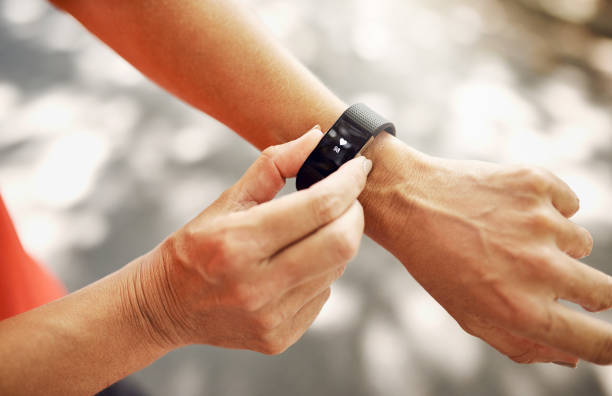
A pedometer is a small device, either standalone or built into smartphones and fitness trackers, that counts the number of steps you take throughout the day. Some advanced versions also estimate distance traveled, calories burned, and even active minutes. While the technology has evolved significantly since the simple mechanical pedometers of the past, the core function remains the same: turning an invisible activity, walking, into a visible, trackable number.
Turning Activity Into Data
One of the biggest ways a pedometer supports fitness goals is by transforming something abstract into something measurable. Most people have a general sense of whether they’ve been active during the day, but without tracking, it’s easy to overestimate or underestimate actual movement. A pedometer removes the guesswork, giving you a concrete number to work with, which makes it much easier to set realistic, specific goals like increasing your daily step count gradually over time.
Encouraging Consistency Through Small Wins
Fitness goals often fail not because people lack motivation initially, but because they struggle to stay consistent over time. Pedometers help by creating a steady stream of small, achievable wins. Hitting a daily step goal, even a modest one, gives a sense of accomplishment that can reinforce the habit of staying active. Over weeks and months, these small wins add up to meaningful behavior change.
Many people start with a baseline goal, often around 5,000 to 7,000 steps per day, and gradually increase it as walking becomes a more natural part of their routine. The well-known 10,000 steps per day benchmark, while popularized partly through marketing in the 1960s, has since become a widely recognized general target, though individual needs can vary based on age, fitness level, and personal health goals.
Increasing Awareness of Sedentary Habits
For many people, a pedometer is eye-opening simply because it reveals how sedentary certain days can be, especially for those with desk jobs or long commutes. Seeing a low step count by mid-afternoon can prompt small adjustments, like taking a walk during lunch, choosing stairs over elevators, or parking farther from an entrance. These small shifts, repeated consistently, can have a meaningful cumulative effect on overall activity levels.
Supporting Accountability and Motivation
Pedometers, especially those built into fitness apps, often include features like progress charts, streaks, and sometimes social sharing or step challenges with friends. This added layer of accountability can be a powerful motivator. Competing in a friendly step challenge or simply not wanting to “break a streak” can encourage people to stay active even on days when motivation is low.
Helping Track Long-Term Progress
Beyond daily motivation, pedometers also help people understand long-term trends in their activity levels. By reviewing weekly or monthly step data, users can identify patterns, such as noticing they’re less active during certain seasons or work periods, and adjust their routines accordingly. This kind of long-term tracking can be especially useful for people working toward broader health goals, such as weight management, improved cardiovascular health, or building a more active lifestyle overall.
A Simple Tool With Real Impact
While a pedometer alone won’t replace a comprehensive fitness routine, its simplicity is part of its strength. Walking is low-impact, accessible to most people regardless of fitness level, and doesn’t require special equipment. By making walking measurable and rewarding, a pedometer can serve as an effective entry point into a more active lifestyle, especially for beginners or those returning to exercise after time away.
Final Thoughts
A pedometer helps people reach their fitness goals primarily by making activity visible, measurable, and motivating. Through small daily wins, increased awareness of sedentary time, and long-term progress tracking, this simple tool can play a meaningful role in building healthier, more active habits over time.
Disclaimer: This article is for general informational purposes only and is not intended as medical or fitness advice. Consult a healthcare provider before starting any new exercise routine, especially if you have existing health conditions.